


05-25
→
05-23
→2024-05-23
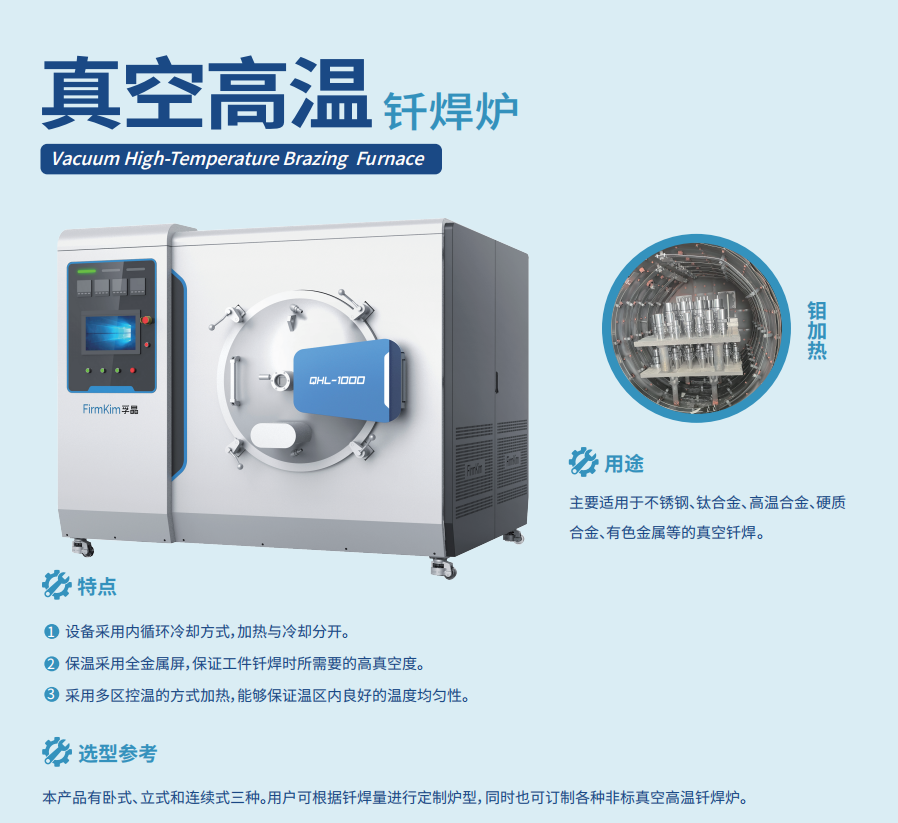
With the rapid development of science and technology, intelligent induction welding equipment, as a new type of welding technology, is gradually occupying an important position in industrial production. Through the introduction of intelligent sensing technology, this equipment realizes the automation, precision and efficiency of the welding process, and brings unprecedented convenience to the modern manufacturing industry. The working principle of intelligent induction welding equipment is mainly to use advanced sensors and control systems to monitor various parameters in the welding process in real time, such as temperature, current, voltage, etc. The equipment will automatically adjust the welding speed, welding torch position, etc. according to these parameters to ensure the stability and reliability of welding quality. At the same time, the equipment also has the functions of automatic identification of weld position and automatic tracking of weld, which greatly improves the accuracy and efficiency of welding. Compared with traditional welding equipment, intelligent induction welding equipment has many advantages. First of all, it can realize fully automated operation, reduce manual intervention, reduce labor intensity and labor costs. Secondly, because the equipment has real-time monitoring and adjustment functions, it can effectively avoid quality problems that may occur during the welding process, such as virtual welding and slag inclusion. Finally, intelligent induction welding equipment also has high flexibility and scalability, which can be customized and optimized according to different needs. In practical applications, intelligent induction welding equipment has been widely used in automobiles, ships, aerospace and other fields. Taking the automobile industry as an example, intelligent induction welding equipment can efficiently complete the welding work of automobile body, improve production efficiency and product quality. At the same time, in the field of aerospace, this equipment can also ensure the accuracy and reliability of welding, and provide a strong guarantee for the safety of aircraft. However, smart induction welding equipment also has certain challenges. For example, the high cost of R & D and manufacturing of equipment may increase the investment pressure of enterprises. In addition, the skill requirements for operators are relatively high, and professional training is required to master the operation and maintenance of equipment. In general, intelligent induction welding equipment, as a revolutionary welding technology, has brought significant advantages and convenience to modern manufacturing. With the continuous advancement of technology and the expansion of application fields, we have reason to believe that intelligent induction welding equipment will play a more important role in the future, and promote the development of industrial manufacturing in a more efficient and intelligent direction.

04-10
→Huaguang New Material Appears at 2024 China Refrigeration Exhibition
2024-04-10
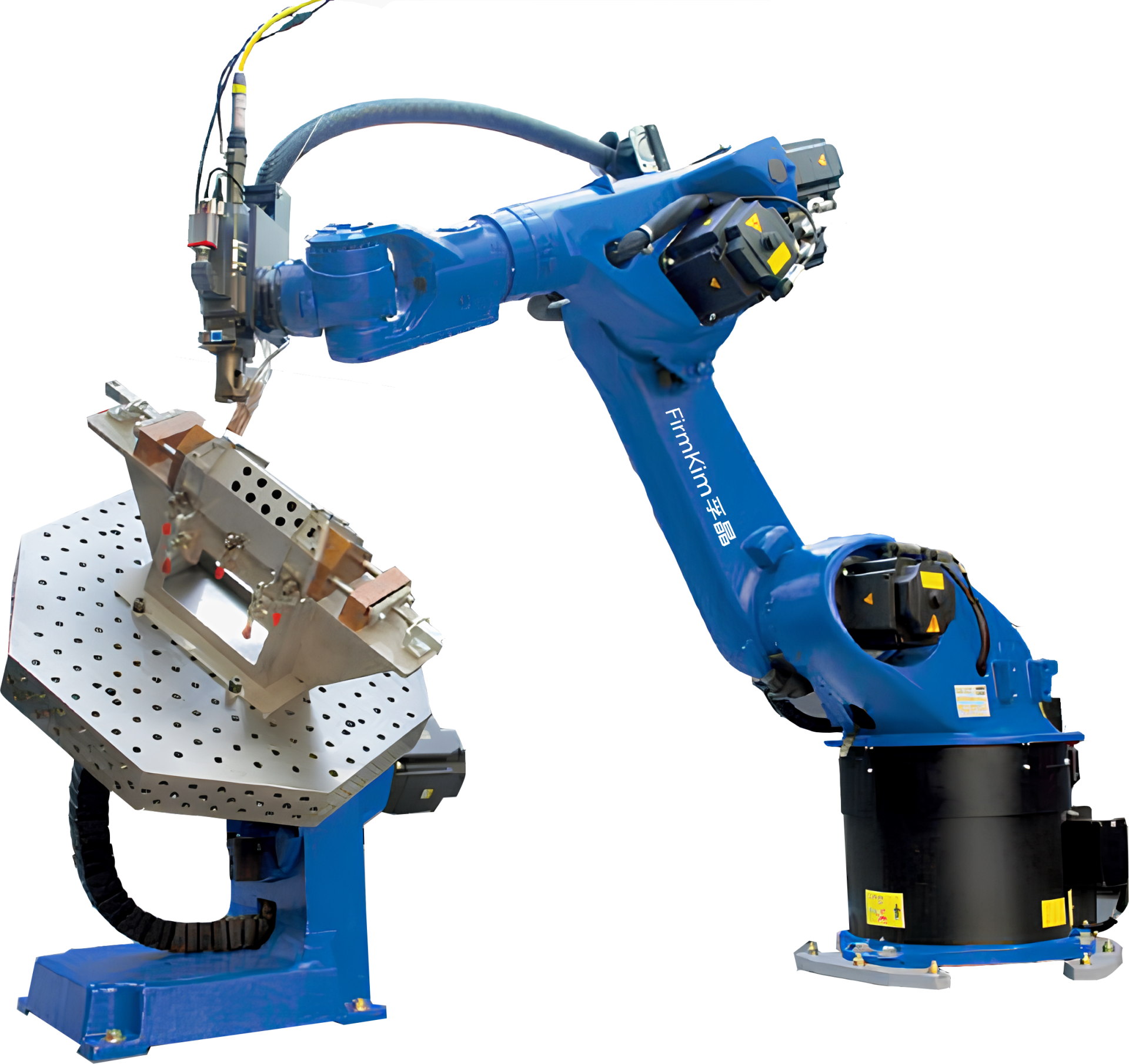
The 2024 China Refrigeration Exhibition, with the theme of "Digital Intelligence, Empowering the Race Road, Stabilizing the Foundation and Strengthening the Chain to Promote Win-Win", has set up 8 exhibition halls with a total exhibition area of 106,800 square meters. A total of 1006 exhibitors from 27 countries and regions around the world Participating. As a well-known brazing material enterprise in the industry, Huaguang New Material brought a full range of innovative products to the exhibition, showing Huaguang's outstanding strength and forward-looking layout in the refrigeration field. At this exhibition, the booth of Huaguang New Material was crowded. The new green carbon products exhibited by the company attracted the attention of many people in the industry and became the focus of the exhibition. Many exhibitors stopped to consult. On the international stage of China Refrigeration Exhibition, Huaguang New Material not only demonstrated the company's innovative strength and product advantages, but also conducted in-depth exchanges and cooperation with many colleagues in the industry. Through this exhibition, Huaguang New Material has further consolidated its leading position in the refrigeration industry and laid a solid foundation for future development. In 2024, Huaguang new materials will continue to adhere to the concept of "innovation, environmental protection and high efficiency", respond to the national energy conservation and emission reduction policy, devote itself to R & D and innovation, constantly overcome technical problems, develop more environmentally friendly and efficient brazing materials, develop green manufacturing, promote green products, and contribute to the green, low-carbon and high-quality development of industry.
02-28
→2024-02-28
News Fact On the morning of February 28, 2024, the "Building a New Center and Climbing a New Peak" Yuhang District Economic High-quality Development Conference was held at the Academic Exchange Center of the Future Science and Technology City. A package of plans, policies and scenarios was released to help accelerate the high-quality development of important new centers in Hangzhou. Chairman Jin Limei of Hangzhou Huaguang Welding New Materials Co., Ltd. was invited to attend the conference. Strong manufacturing new development This conference commended the outstanding manufacturing enterprises in Yuhang District, and Huaguang New Materials was awarded the honor of "Yuhang District Manufacturing Innovation and Development Demonstration Enterprise. With high-quality development as the theme, Yuhang District insists on innovation, reform and opening up, speeding up the construction of new centers and bravely climbing new heights of development. As a member of Yuhang District, Huaguang New Materials seizes opportunities, strengthens manufacturing, and develops hard, adheres to technological innovation, accelerates intelligent manufacturing, vigorously develops advanced manufacturing, improves quality and efficiency, and boldly innovates. Actively promote the investment project of intelligent manufacturing of green brazing materials, promote the construction of end-to-end standardization, process and digital management system, implement lean production, strive to have more competitive advantages in quality, efficiency, cost and green, further improve economies of scale, and make every effort to contribute to the "construction of a new center and climbing a new peak" in Yuhang District.
10-26
→Three Ways of Inhibition of Porosity in Laser Welding of Aluminum Alloy
2023-10-26
1. background introduction Laser welding aluminum alloy is a common connection method, because of its high energy density, high accuracy, small heat affected zone and other advantages, widely used in aviation, automobile, 3C manufacturing and other fields. However, the porosity problem generated in the process of laser welding of aluminum alloy has always been a key factor affecting the welding quality. The presence of pores will reduce the strength and corrosion resistance of the welded joint, thereby affecting the performance and service life of the product. Therefore, how to effectively suppress the porosity problem in laser welding aluminum alloy has become an urgent problem to be solved. 2. three ways to inhibit stomata 1. Optimization of welding parameters Welding parameters include laser power, scanning speed, beam mode, shielding gas type and flow rate. These parameters have an important influence on the behavior of the molten pool in the laser welding process, and then affect the generation of pores. Optimizing these parameters can effectively inhibit the generation of stomata. Specifically, the best laser power and scanning speed can be found by experimenting with different parameter combinations to obtain the best penetration and width. At the same time, selecting the appropriate type and flow rate of the protective gas can reduce the interference of the gas, thereby reducing the generation of pores. 2. Preheated aluminum alloy plate Preheating aluminum alloy plate can reduce the surface tension of the plate and reduce the generation of pores. Before laser welding, the aluminum alloy sheet can be properly preheated to make the surface temperature of the sheet reach a certain level, thereby reducing the influence of surface tension and making it easier for the gas to escape the molten pool. At the same time, preheating can also reduce the width of the heat affected zone and reduce the risk of welding cracks. 3. Use suitable filling materials The filling material can protect the molten pool, absorb gas and improve the metallurgical conditions of the molten pool in the laser welding process, thereby reducing the generation of pores. Suitable filler materials should have good wettability with the aluminum alloy, corrosion resistance and high temperature stability. Commonly used filling materials include pure aluminum wire, aluminum silicon alloy wire, etc. When using filling materials, attention should be paid to controlling the filling amount. Excessive filling materials may affect the quality of laser welding. 3. experimental results and analysis The effectiveness of the above three methods is verified by experiments. The experimental results show that optimizing the welding parameters can effectively reduce the generation of pores, but the stability and repeatability of the parameters should be paid attention to. Preheating aluminum alloy plate can effectively reduce the generation of pores, but the preheating temperature and time should be paid attention to to avoid the expansion of heat affected zone and the overheating of the plate. 4. Conclusion In summary, optimizing welding parameters, preheating aluminum alloy plates and using appropriate filler materials are three effective ways to suppress the porosity problem in laser welding aluminum alloys. In practical application, the appropriate method should be selected according to the specific working conditions and product requirements to improve the quality and reliability of laser welding aluminum alloy. At the same time, it is necessary to continuously study and explore new technologies and methods to deal with new problems and challenges in the laser welding process.
10-25
→Laser Welding Helps "Made in China 2025": Future Manufacturing Driven by Innovation
2023-10-25
In today's global manufacturing competitive environment, the "Made in China 2025" strategy has drawn a grand blueprint for the development of China's manufacturing industry. This strategy aims to make China a global leader in manufacturing through technological innovation and industrial upgrading. As an advanced welding technology, laser welding is providing a powerful boost to the realization of this goal. Advantages of 1. laser welding Laser welding is a process of welding materials using a laser beam with high energy density. Compared with traditional welding methods, laser welding has many significant advantages. First of all, the laser beam has extremely high precision and speed, and can complete large-area welding in a short time, which greatly improves production efficiency. Secondly, laser welding can achieve precise control of the micron level, so that the quality of the weld has been significantly improved. In addition, laser welding also has the characteristics of environmental protection and pollution-free, which can reduce the emission of harmful substances in the production process. The Importance of 2. Laser Welding in the "Made in China 2025" Strategy The core of the "Made in China 2025" strategy is to improve the competitiveness of China's manufacturing industry through technological innovation and industrial upgrading. In this process, laser welding technology plays a vital role. First of all, laser welding can achieve high-quality and high-efficiency welding, which helps to improve product quality and production efficiency, so as to meet the high requirements of the "Made in China 2025" strategy for the manufacturing industry. Secondly, the application of laser welding in the field of metal processing is extensive, and it can be applied to the welding of various metal materials, which helps to expand the field and scope of manufacturing. Finally, the environmental protection characteristics of laser welding meet the requirements of environmental protection and sustainable development of the "Made in China 2025" strategy. 3. case analysis Taking an automobile factory as an example, the traditional welding method in the past has long production cycle and high cost due to low precision and slow efficiency. After laser welding, the production efficiency is greatly improved, and the weld quality is also significantly improved. At the same time, laser welding also saves a lot of energy and cost for the plant, and realizes the double improvement of economic and environmental benefits. This is exactly the goal pursued by the "Made in China 2025" strategy. 4. Future Outlook With the progress of science and technology, laser welding technology will continue to develop, and its application fields will continue to expand. In the future, laser welding will play a greater role in the "Made in China 2025" strategy. First of all, with the development of the industrial Internet, laser welding will achieve deep integration with intelligent manufacturing, and further improve production efficiency and quality. Secondly, with the popularization of the concept of green manufacturing, laser welding will play a greater role in environmental protection and sustainable development. Finally, with the development of artificial intelligence and machine learning technology, laser welding will be intelligent and automated, further improving production efficiency and product quality. Summary In summary, laser welding plays a vital role in the "Made in China 2025" strategy. By improving production efficiency, improving product quality, and achieving environmental protection and sustainable development, laser welding is helping China's manufacturing industry to achieve a great transformation from "Made in China" to "Created in China. In the future, with the advancement of science and technology and the expansion of application fields, laser welding will play a greater role in the manufacturing industry and promote China's manufacturing industry to achieve a more brilliant future.
10-24
→Intelligent into the wind vane, welding robot how benign development?
2023-10-24
With the rapid progress of science and technology, intelligence has become the development of various industries. In the field of welding, the emergence of intelligent welding robots is profoundly changing the traditional mode of production, greatly improving production efficiency and quality, but also for workers to provide a safer and more comfortable working environment. However, how to realize the benign development of welding robot is still a problem that we need to explore in depth. First of all, it is the key to understand the characteristics of intelligent welding robots. Intelligent welding robot has the characteristics of high precision, high speed and high efficiency. Through advanced algorithms and sensor technology, welding robots can achieve precise positioning and stable welding operations, greatly improving production quality. At the same time, the intelligent welding robot can also work continuously in a complex environment, which greatly improves the production efficiency. However, in order to realize the benign development of welding robots, we still need to solve some important problems. One is to solve the technical bottleneck problem. Although the intelligent welding robot has obvious advantages in many aspects, its technical requirements are very high. At present, the intelligent welding robot is still limited by many technical bottlenecks, such as sensor accuracy, machine vision recognition ability, motion control stability and so on. Therefore, strengthening the research and breakthrough of related technologies is the key to promote the benign development of welding robots. The second is to solve the problem of application scenarios. Different production scenarios have different requirements for welding robots. In some large production lines, high-speed, high-precision intelligent welding robots are needed to meet the needs of mass production, while in some small or special environments, more flexible and adaptable welding robots are needed. Therefore, for different application scenarios, it is necessary to customize the design and development of welding robots to meet different needs. The third is to solve the problem of human-computer interaction. Although intelligent welding robots can replace some labor in production, they still need manual supervision and operation. Therefore, how to achieve effective human-computer interaction, so that robots can improve production efficiency while ensuring the safety and comfort of workers, is a problem we need to focus on and solve. On the one hand, it is necessary to improve the adaptive ability and autonomous learning ability of the robot so that it can better adapt to the labor environment; on the other hand, it is also necessary to improve the existing supervision methods and operating procedures so that it can better adapt to the robot. Working mode. The fourth is to solve the problem of cost and popularization. Although the technical content of intelligent welding robots is high, the cost is correspondingly high, which largely limits its popularity and application in small and medium-sized enterprises. Therefore, how to reduce the manufacturing cost of intelligent welding robot, while maintaining its technical advantages, is one of the key issues to promote the healthy development of welding robot. In addition, the government and related industries should also increase support for the intelligent welding robot industry, and promote the rapid development of this industry by providing financial support and preferential policies. Five is to solve the problem of norms. With the application of intelligent welding robots in production more and more widely, the relevant laws and regulations and norms must also keep up. It is necessary to revise and improve the existing labor laws and regulations to ensure that the rights and interests of workers are not affected; at the same time, it is also necessary to formulate and improve relevant safety regulations and technical specifications to ensure the safe use and stable operation of intelligent welding robots. Six is to solve the problem of education and training. With the popularization and application of intelligent welding robots, the demand for related talents is also increasing. However, at present, many workers and technicians still need to improve their understanding and application ability of intelligent welding robots. Therefore, education and training has become an important part of promoting the healthy development of welding robots. It is necessary to improve the professional quality and skill level of workers and technicians by setting up relevant courses, carrying out Technical Training, and holding knowledge lectures, so as to meet the needs of intelligent welding robots in production. To sum up, "intelligent" into the wind vane, the benign development of welding robot needs to solve many problems. From technical bottlenecks, application scenarios, human-computer interaction, cost and popularization, laws, regulations and norms to education and training, every link cannot be ignored. Only by solving these problems can we truly realize the benign development of welding robots and promote the progress of the entire industry. At the same time, it also helps to improve production efficiency and quality, improve the working environment and conditions, and promote the sustainable development of society.

Telephone:+86-18594983359
E-mail:Firmkim@cn-huaguang.com
Zip Code: 311112
Address: No. 82, Qihang Road, Renhe Street, Yuhang District, Hangzhou City, Zhejiang Province

Douyin QR code

We chat number

WeChat public account