


10-23
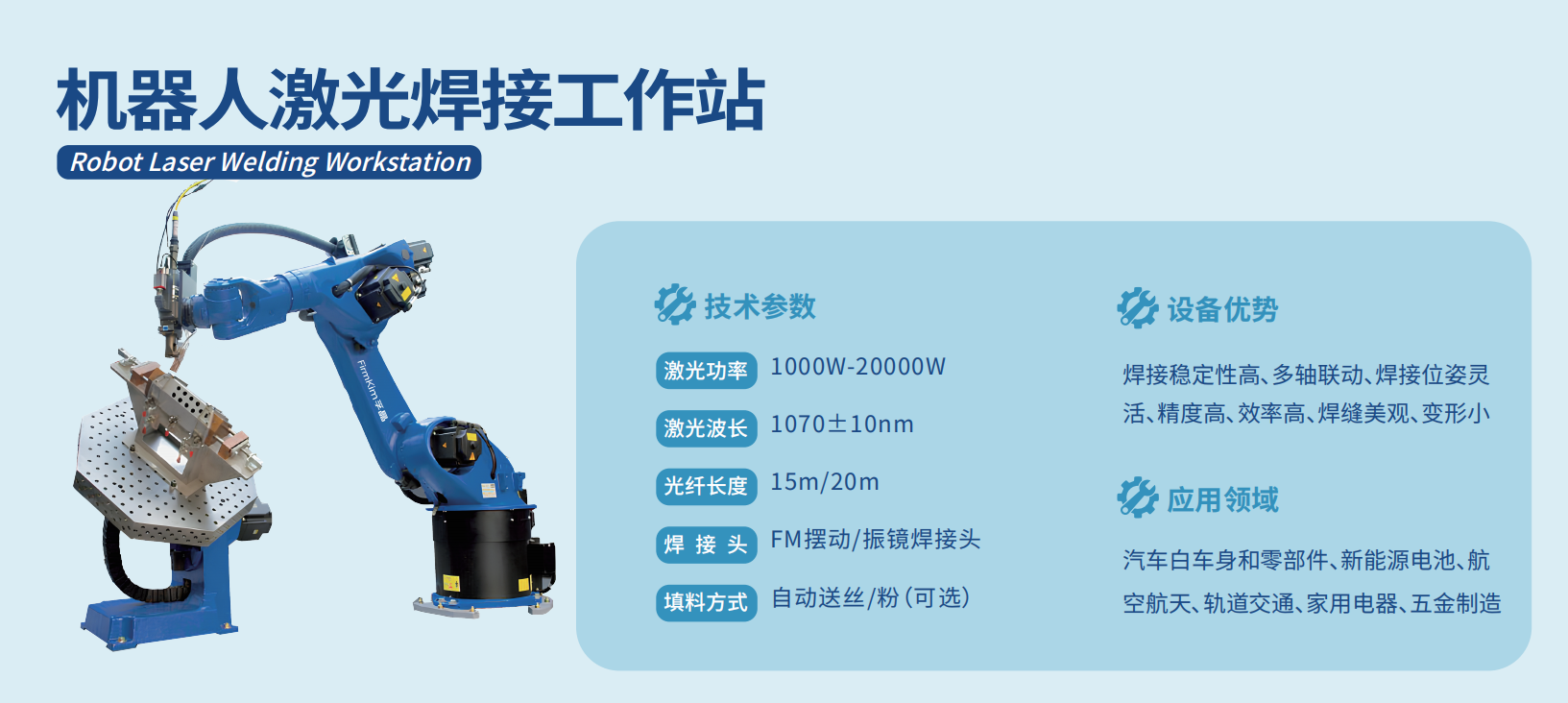
→Laser welding: an excellent representative of modern welding technology
2024-10-23
In today's advanced manufacturing field, laser welding has become a high-profile welding technology with its unique advantages and excellent performance. The working principle of 1. laser welding Laser welding is the use of laser radiation energy to achieve effective welding process. The core principle is to excite the laser active medium in a specific way, such as the mixture of CO2 and other gases, YAG yttrium aluminum garnet crystal, etc., so that it oscillates back and forth in the resonant cavity to form a stimulated radiation beam. When the beam is in contact with the workpiece, the workpiece absorbs the laser energy, and the temperature reaches the melting point of the material to start welding. According to the mechanism of welding, laser welding is mainly divided into heat conduction welding and laser deep penetration welding. • Heat conduction welding: laser radiation heating is welded to the metal surface, the surface heat through the heat conduction effect to the material internal diffusion. By precisely controlling the parameters such as the width, energy, peak power and repetition frequency of the laser pulse, the workpiece is melted to form a specific molten pool, and finally the two contact surfaces to be welded are melted and welded together. This welding method is suitable for precision welding of micro, small materials and thin-walled materials. • Laser deep penetration welding: when the laser beam with high power density is radiated to the Welding materials, the material absorbs light energy and converts it into heat energy, which is heated to vaporize to produce metal vapor, and the reaction force generated makes the molten metal liquid flow around and form pits. With the continuous generation of heat, the pit gradually deepens. After the laser irradiation is stopped, the peripheral solution is refluxed and the workpieces are welded together after cooling. This welding method is commonly used for high-speed welding of thick and large materials. Advantages of 2. laser welding • High welding quality: • Weld beautiful: laser welding can achieve non-contact welding, weld smooth, no pores, cracks and other defects, good appearance. • Excellent mechanical properties: laser welding has a molten pool purification effect, which can purify the weld metal, and the mechanical properties of the weld are equivalent to or better than the base metal. Small heat affected zone: laser welding heat input is small, cooling speed and solidification speed is fast, welding heat affected zone is small, microstructure is fine, which is very important for welding heat sensitive materials or parts that need to maintain high precision size. • High welding efficiency: The laser beam can be focused on the welding part quickly and accurately, and the welding speed is fast, which greatly improves the production efficiency. For example, in the automobile manufacturing industry, laser welding has been widely used in the assembly and welding of the car body, which can complete a large number of welding tasks in a short time. High processing flexibility: the laser can be transmitted by optical fiber, the energy loss is very small in the process of transmission, and can be transmitted to a long distance. This allows the laser to be placed at a certain distance from the welding station, which is easy to realize the automation and flexible processing of welding, and can adapt to the welding requirements of various complex shapes and structures. • Wide range of applicable materials: Laser welding can be used for welding carbon steel, low-alloy high-strength steel, stainless steel, aluminum alloy and titanium alloy and other metal materials, and can also be used for welding some non-metallic materials. Disadvantages of 3. laser welding High equipment cost: The price of laser welding equipment is relatively high, including lasers, control systems, optical systems and other parts, and the initial investment is large, which limits the application of some small businesses or low-budget projects to a certain extent. • High requirements for weldments: The position of the weldment must be very precise and must be within the focus of the laser beam. If the weldment requires the use of a fixture, it must be ensured that the final position of the weldment is aligned with the weld spot that the laser beam will impact. • Welding thickness is limited: For thicker workpieces, laser welding may require higher power and longer welding time, and the maximum weldable thickness is also limited. In general, the penetration thickness of the workpiece far more than 19mm, in the production line is not suitable for the use of laser welding. Sensitive to material reflectivity and thermal conductivity: high reflectivity and high thermal conductivity materials such as aluminum, copper and its alloys, weldability is greatly affected by laser wavelength, and it is difficult to achieve thermal conductivity welding. Application fields of 4. laser welding • Automotive manufacturing: The automotive industry is one of the main application areas for laser welding. Laser welding is used for the assembly and welding of automobile body, such as the welding of roof and frame, the welding of door, etc., which can improve the strength and sealing of the body, while reducing welding deformation and weight. In addition, laser welding technology is also widely used in the welding of auto parts, such as engine cylinder gaskets, hydraulic tappets, spark plugs, filters, etc. • Aerospace: In the aerospace field, the requirements for welding quality and accuracy are extremely high. Laser welding can meet these requirements, which is used for the welding of aircraft fuselage structural parts, the welding of engine parts, the welding of rocket engines, etc., which helps to improve the reliability and safety of aircraft. Electronics industry: The manufacture of electronic equipment requires high-precision welding technology. Laser welding can be used for the welding of electronic components, such as the internal circuit connection of mobile phones, computers and other electronic products, chip packaging, etc., to achieve precision welding of small components. • Medical devices: The welding of medical devices needs to ensure the quality and hygiene standards of welding. Laser welding technology can be used in the manufacture of medical devices, such as surgical instruments, dental instruments, medical implants, etc., with the advantages of strong welding and no pollution. • Hardware: Welding of hardware products usually requires high welding strength and aesthetics. Laser welding can be used for the welding of hardware tools, kitchenware, sanitary ware and other products, which can improve the quality and service life of products. In short, as an advanced welding technology, laser welding has the advantages of high welding quality, small heat-affected zone, high efficiency and strong flexibility, and has been widely used in many fields. With the continuous development and improvement of technology, the application range of laser welding will be further expanded and make greater contributions to the development of modern manufacturing.
06-06
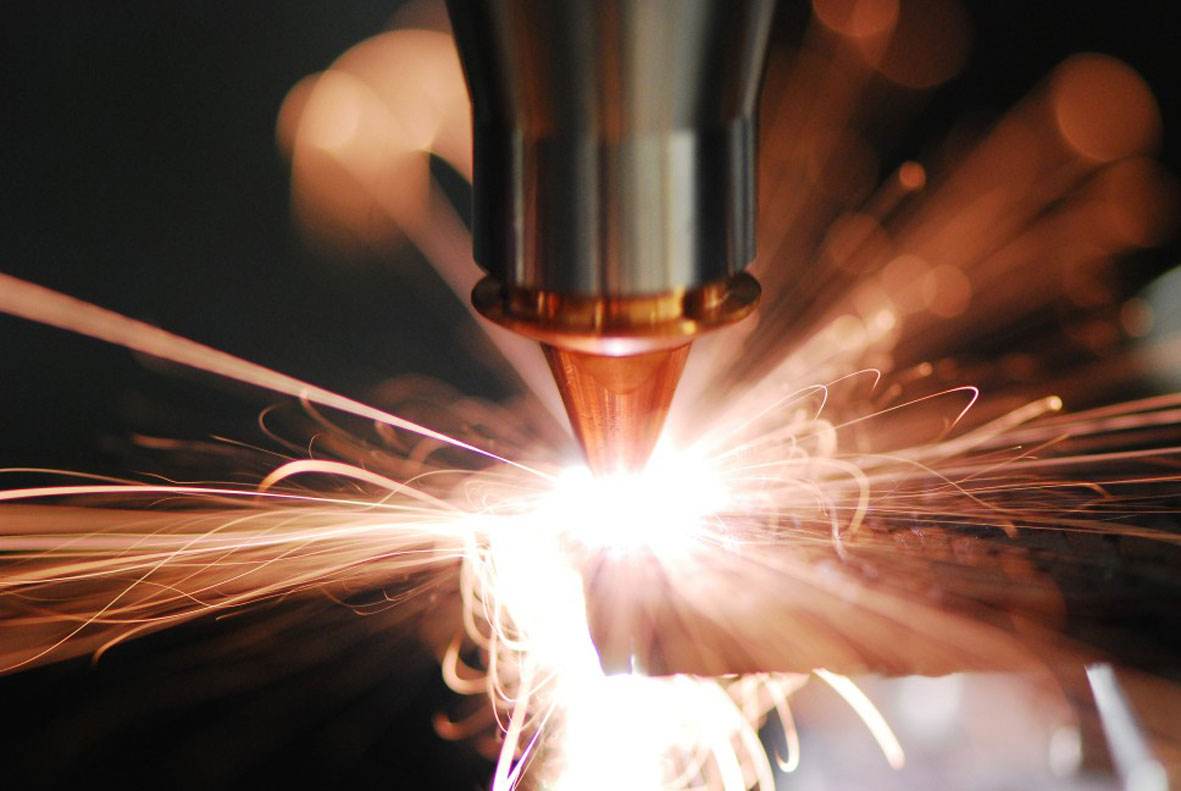
→Laser Welding processing Technology: Principle, Application and Future Development
2024-06-06
With the continuous progress of science and technology, laser Welding processing technology, as an efficient and precise welding method, has been widely used in manufacturing industry. This paper will discuss the principle, technical characteristics, application fields and future development trend of laser welding. The principle and technical characteristics of 1. laser welding Laser welding is the use of high energy density of the laser beam as a heat source, through the instantaneous high temperature material melting, cooling after the formation of a welding method. Laser welding has the advantages of high energy density, fast welding speed, small heat affected zone and high weld quality. In the process of laser welding, after the laser beam is focused through the optical system, a very small spot is formed, which makes the energy highly concentrated, so as to realize fast and efficient welding. Application fields of 2. laser welding Automotive industry: Laser welding is widely used in automobile manufacturing, such as body welding and parts connection. Laser welding can improve the strength and rigidity of the car body, reduce the weight of the car body, thereby improving the fuel economy and safety of the car. Aerospace field: The aerospace field requires extremely high welding quality and accuracy. Laser welding technology is widely used in the manufacturing process of aircraft, rockets and other aerospace vehicles because of its high precision and high quality. Electronic product manufacturing: In the manufacture of electronic products, laser welding technology can be used for precision welding of small parts, such as the internal structure connection of electronic equipment such as mobile phones and computers. Laser welding can achieve high precision, no damage welding effect, improve the reliability and performance of electronic products. Future development of laser welding in 3. With the continuous progress and innovation of laser technology, laser welding technology will develop in the following directions: Automation and intelligence: With the rapid development of industrial automation and intelligent manufacturing technology, laser welding technology will achieve a higher degree of automation and intelligence. Through the introduction of advanced control system and sensor technology, the automatic monitoring and adjustment of the welding process are realized, and the welding quality and efficiency are further improved. Research and development of new materials and new processes: With the continuous development of new material technology, laser welding technology will face more types of metal materials and non-metallic materials. Therefore, the development of laser welding processes and equipment suitable for new materials will become an important direction for future development. Green environmental protection: In the context of increasing environmental awareness, laser welding technology will pay more attention to environmental protection. Research and development of low energy consumption, low pollution laser welding equipment and process, reduce the harmful substances produced in the welding process, reduce the impact on the environment. In short, laser Welding processing technology, as an efficient and precise welding method, has a wide range of applications in many fields. With the continuous progress and innovation of science and technology, we have reason to believe that laser welding technology will continue to grow and inject new vitality into the sustainable development of the manufacturing industry. At the same time, we also need to pay attention to the environmental protection and sustainable development of laser welding technology, and strive to achieve the harmonious coexistence of technology and environment.
06-05
→2024-06-05
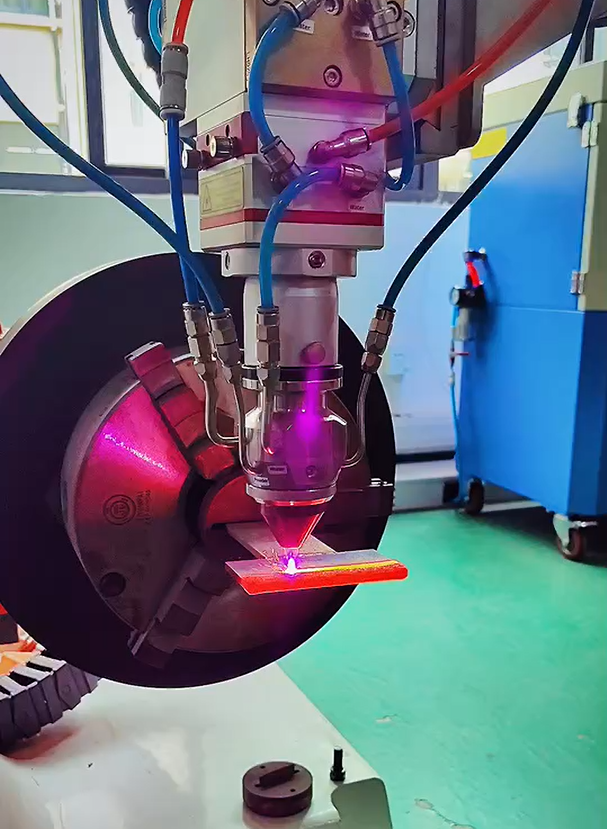
As an advanced metal surface treatment technology, laser cladding technology has been widely used in industrial production in recent years. In this paper, the principle, characteristics, application fields and future development trend of laser cladding technology are discussed in detail. Principle of 1. Laser Cladding Technology Laser cladding technology is the use of high-energy laser beam to melt the alloy powder of specific components, and rapid solidification on the surface of the metal substrate, so as to form a high-performance coating. This technology can significantly improve the hardness, wear resistance, corrosion resistance and oxidation resistance of the metal surface by changing the chemical composition and structure of the coating. Characteristics of 2. laser cladding technology High energy density: The laser beam has a high energy density, which can quickly melt the alloy powder and achieve metallurgical bonding with the substrate. Rapid solidification: The rapid solidification in the laser cladding process is beneficial to refine the structure and improve the mechanical properties and corrosion resistance of the coating. Adjustable coating composition: By adjusting the composition of the alloy powder, a coating with specific properties can be obtained to meet the needs of different working conditions. Small heat-affected zone: The heat input in the laser cladding process is small, and the heat-affected zone on the substrate is small, which reduces the risk of deformation and cracking. Application fields of 3. laser cladding technology Aerospace field: Aerospace vehicles have extremely high requirements for material performance. Laser cladding technology can significantly improve the wear resistance, corrosion resistance and high temperature oxidation resistance of parts, and extend the service life. Petrochemical industry: Petrochemical equipment often faces harsh working environments. Laser cladding technology can form high-performance coatings on the surface of the equipment to improve its corrosion resistance and service life. In the field of mechanical manufacturing: laser cladding technology can be used to repair worn mechanical equipment parts, restore their dimensional accuracy and performance, and reduce maintenance costs. Future Development of 4. Laser Cladding Technology With the continuous development of science and technology, laser cladding technology will develop in the following directions: Automation and intelligence: the introduction of advanced control systems and sensor technology to achieve automation and intelligent monitoring of the laser cladding process, improve production efficiency and coating quality. Research and development of new materials and new processes: Explore more new materials and new processes suitable for laser cladding technology to meet the needs of different industrial fields. Green environmental protection: research and development of low energy consumption, low pollution laser cladding equipment and process, reduce the environmental load in the production process. Expand the application field: With the continuous improvement and innovation of technology, laser cladding technology is expected to expand to more fields, such as biomedicine, electronic information, etc. In short, laser cladding metal surface treatment technology, as an efficient and flexible surface modification method, has a wide range of applications in many fields. With the continuous progress and innovation of science and technology, laser cladding technology will continue to grow and inject new vitality into the sustainable development of industrial production.
06-03
→Title: Innovation and Progress of Welding Robot Technology
2024-06-03
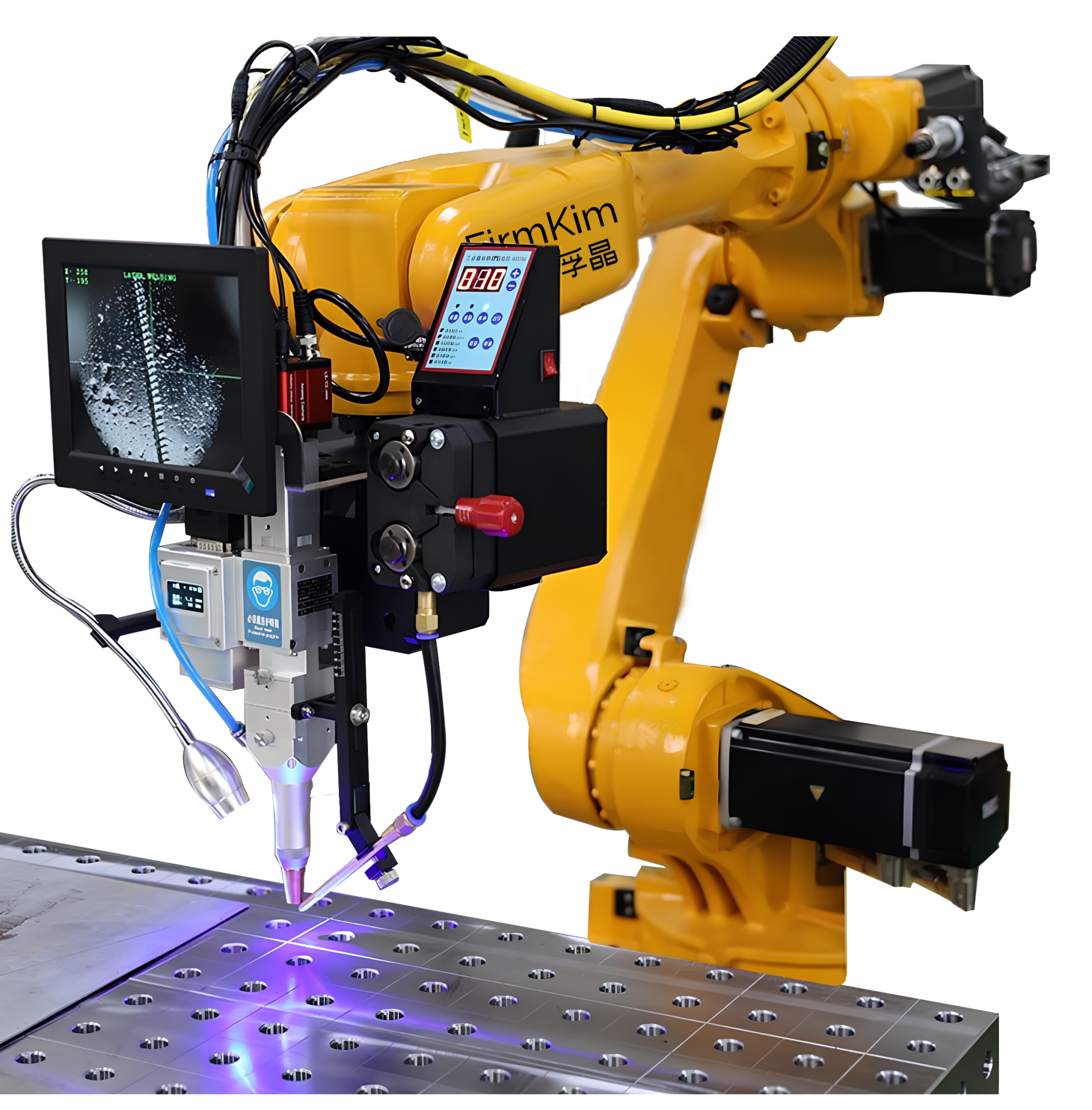
With the rapid development of science and technology, welding robot technology is more and more widely used in modern manufacturing industry. In recent years, welding robot technology has been continuously updated and iterated, bringing unprecedented changes to the manufacturing industry. This article will explore the latest update in welding robot technology and its impact on the industry. Development of 1. Welding Robot Welding robot is an industrial robot that can automatically perform welding tasks. Since its inception in the 1980 s, welding robots have played an increasingly important role in the manufacturing industry. With the continuous progress of technology, the welding robot has gradually developed from the initial simple repetitive action to the ability of highly intelligent and autonomous. Latest updates in 2. welding robot technology Introduction of visual recognition technology In recent years, visual recognition technology has been widely used in welding robots. Equipped with high-resolution cameras and advanced image processing algorithms, the welding robot can identify the position, shape and size of the weld in real time, so as to accurately control the welding trajectory. The introduction of this technology has greatly improved the accuracy and efficiency of welding. Optimization of Intelligent Control Algorithm With the rapid development of artificial intelligence technology, the control algorithm of welding robot is constantly optimized. The new generation of welding robot adopts more advanced control strategies, such as fuzzy control, neural network control, etc., so that the robot can adjust the welding parameters autonomously according to the real-time welding situation to ensure the stability and reliability of welding quality. The rise of collaborative robots Collaborative robot (Cobots) is a new type of welding robot in recent years. They are designed to work collaboratively with human workers without the need for special safety isolation. Collaborative robots are highly flexible and safe, and can seamlessly interface with human workers to complete complex welding tasks. The emergence of this technology makes human-machine collaboration possible and further improves production efficiency. Impact of 3. welding robot technology updates The continuous updating of welding robot technology has had a profound impact on the manufacturing industry. First of all, the introduction of new technologies has improved welding quality and efficiency and reduced production costs. Secondly, the wide application of intelligent welding robots has promoted the process of automation and intelligence in the manufacturing industry, creating a greater competitive advantage for enterprises. Finally, the rise of collaborative robots has improved the working environment, reduced the labor intensity of workers, and improved job satisfaction. 4. looking to the future With the continuous progress and innovation of science and technology, we have reason to believe that welding robot technology will continue to grow. In the future, welding robots will be more intelligent, autonomous and collaborative, bringing more revolutionary changes to the manufacturing industry. At the same time, we should also pay attention to the sustainable development of welding robot technology, and strive to achieve the harmonious coexistence of human and robot. In short, the innovation and progress of welding robot technology has brought significant benefits and changes to the manufacturing industry. Let's look forward to welding robots playing a more important role in the future manufacturing industry!
06-01
→2024-06-01
With the continuous progress of science and technology and the increasing development of industry, welding technology plays an important role in modern manufacturing industry. In recent years, the research and development of welding equipment has achieved remarkable results, which not only improves the welding efficiency, but also makes an important breakthrough in welding quality and safety. This paper will focus on the latest research and development achievements of welding equipment and the importance of its popularization and application. Research and Development Background and Present Situation of 1. Welding Equipment In the past, welding work often relied on the skills and experience of welders, and welding quality and efficiency were greatly limited. With the rapid development of industrial automation and intelligent manufacturing, traditional welding methods have been unable to meet the needs of modern manufacturing. Therefore, the development of efficient and intelligent welding equipment has become an urgent need for the development of the industry. 2. welding equipment research and development results In recent years, many domestic and foreign scientific research institutions and enterprises have invested heavily in the research and development of welding equipment, and achieved remarkable results. Here are a few major breakthroughs: Intelligent welding system: Through the introduction of advanced sensors, control systems and artificial intelligence technology, the automation and intelligence of the welding process are realized. This kind of system can monitor the welding parameters in real time, automatically adjust the welding speed and current, and ensure the stability and reliability of welding quality. High-energy beam welding technology: including laser welding, electron beam welding, etc., has the characteristics of high energy density, high precision and high speed. These technologies have broad application prospects in aerospace, automobile manufacturing and other fields, and can greatly improve welding efficiency and joint quality. Welding robot technology: Through programming and sensor technology, the automatic operation of welding robots is realized. This kind of robot has significant advantages in welding operations with high repeatability and high labor intensity, which can greatly reduce labor costs and improve production efficiency. The Importance of Popularization and Application of 3. Welding Equipment The research and development of welding equipment has brought revolutionary changes to the modern manufacturing industry. The promotion and application of advanced welding equipment can not only improve production efficiency and product quality, but also reduce production costs and energy consumption, and enhance the competitiveness of enterprises. At the same time, the popularity of intelligent welding equipment will help reduce the dependence on traditional welders and alleviate the labor shortage. 4. Future Outlook With the continuous progress of science and technology, the research and development of welding equipment will continue to deepen. In the future, we can expect the emergence of more innovative technologies, such as remote monitoring, cloud computing and big data, and the integration of welding equipment, which will promote the development of the welding industry to a higher level. At the same time, the government, enterprises and scientific research institutions should work together to strengthen industry-university-research cooperation and promote the research and development of welding equipment to better serve the manufacturing industry and the development of the national economy. In short, the development and promotion of welding equipment is of great significance to improve the level of manufacturing industry and promote the sustainable and healthy development of economy. Let us join hands to meet the arrival of a new era of intelligent welding!
05-31
→Intelligent welding automation production line: efficient and accurate welding solutions
2024-05-31
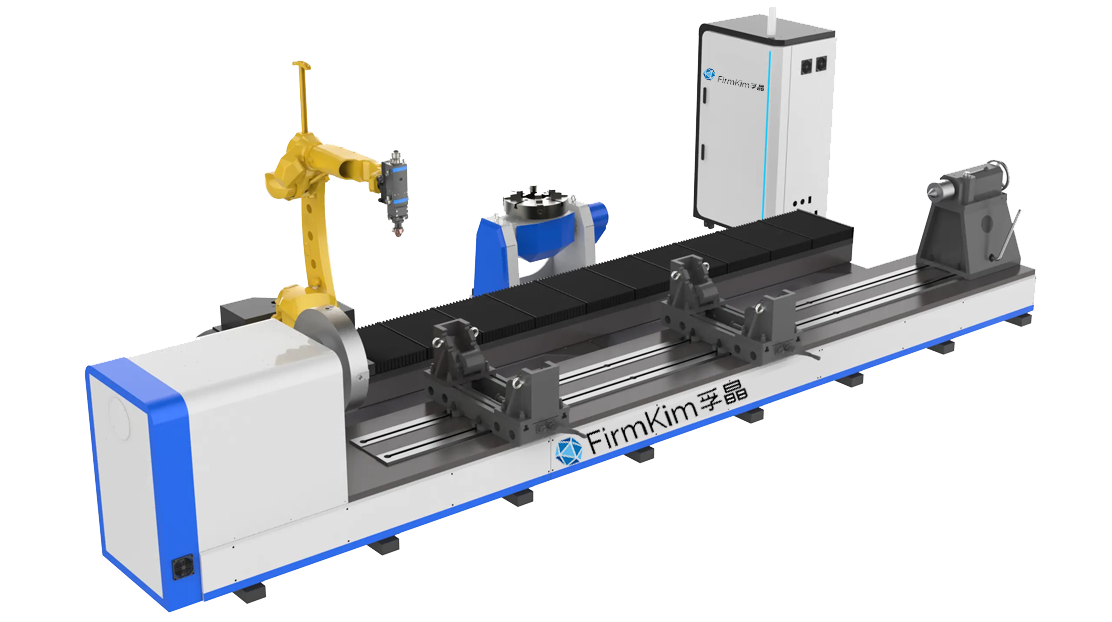
With the continuous progress of science and technology and the development of industrial automation, intelligent welding automation production line has become an indispensable part of modern manufacturing industry. By integrating advanced welding technology, sensors and control systems, this production line realizes the automation, precision and efficiency of the welding process, bringing unprecedented improvement to the manufacturing industry. Intelligent welding automation production line is mainly composed of welding robots, sensors, control systems and actuators. The welding robot is the core of the production line. It has a high degree of freedom and flexibility, and can perform precise welding operations in three-dimensional space. The sensor is used for real-time monitoring of various parameters in the welding process, such as temperature, current, voltage, etc., to ensure the stability and reliability of welding quality. The control system adjusts the motion trajectory and welding parameters of the welding robot in real time by receiving the feedback signal of the sensor to achieve the best welding effect. The actuator is responsible for completing specific welding actions, such as wire feeding, arc striking, arc extinguishing, etc. The advantages of intelligent welding automation production line are obvious. First of all, it greatly improves the welding efficiency and quality. Traditional welding methods are often affected by human factors, such as operation level, fatigue degree, etc., while intelligent welding automation production line completely eliminates these factors and realizes efficient and accurate welding. Secondly, intelligent welding automation production line reduces labor intensity and labor costs. Since the welding process is automated, the need for skilled welders can be reduced, thereby reducing labor costs. Finally, the intelligent welding automation production line also has a high degree of flexibility and scalability. It can be customized and optimized according to different welding needs and product characteristics to meet the diverse needs of customers. In practical application, intelligent welding automation production line has been widely used in automobile, ship, aerospace and other fields. Taking the automobile industry as an example, the intelligent welding automation production line can efficiently complete the welding work of the automobile body, improve the production efficiency and product quality. In the field of aerospace, intelligent welding automation production line can also ensure the accuracy and reliability of welding, and provide a strong guarantee for the safety of aircraft. However, intelligent welding automation production line also has certain challenges. For example, the high cost of R & D and manufacturing of equipment may increase the investment pressure of enterprises. In addition, the skill requirements for operators are relatively high, and professional training is required to master the operation and maintenance of equipment. In general, intelligent welding automation production line, as an efficient and accurate welding solution, has brought significant advantages to the modern manufacturing industry. With the continuous advancement of technology and the expansion of application fields, we have reason to believe that the intelligent welding automation production line will play a more important role in the future, and promote the development of industrial manufacturing in a more efficient and intelligent direction.
05-30
→Laser cleaning technology: efficient and environmentally friendly cleaning solutions
2024-05-30
With the continuous development of science and technology, laser technology has been widely used in various fields. Among them, laser cleaning technology with its high efficiency, environmental protection characteristics, is gradually becoming the new darling of the cleaning industry. This paper will introduce the working principle, application fields and advantages of laser cleaning technology in detail. The working principle of 1. laser cleaning technology Laser cleaning technology is the use of high-energy laser beam irradiation on the surface of the object, so that dirt, grease, coating and other pollutants instant gasification or stripping, so as to achieve the purpose of cleaning. The laser beam has the characteristics of high energy density, good directivity, monochromativity, etc., so it can accurately clean a specific area without causing damage to the surrounding area. Application fields of 2. laser cleaning technology Industrial manufacturing field: in the industrial manufacturing process, mechanical parts, molds and other surfaces are easily contaminated with oil, rust and other pollutants. Laser cleaning technology can quickly and effectively remove these pollutants, improve product quality and production efficiency. Cultural relics protection field: cultural relics in the long-term preservation process, the surface is easy to accumulate dirt and oxides. Laser cleaning technology can accurately remove these pollutants and restore the original style of cultural relics without damaging the surface of cultural relics. In the field of medical beauty, laser cleaning technology also shows broad application prospects in the medical beauty industry. For example, laser cleaning technology can be used to remove pigmentation and scars on the surface of the skin to achieve whitening and freckle effects. Advantages of 3. laser cleaning technology High efficiency: Laser cleaning technology has high energy density, which can complete the cleaning task in a short time and improve work efficiency. Accuracy: The laser beam has the characteristics of good directionality and monochromaticness, which can accurately clean a specific area and avoid damage to the surrounding area. Environmental protection: Laser cleaning technology does not require the use of chemical solvents or water, reducing environmental pollution and wastewater treatment costs. At the same time, the laser cleaning process produces less waste, which is conducive to environmental protection. Wide applicability: Laser cleaning technology is suitable for cleaning various materials, such as metal, glass, ceramics, etc. In addition, it can also clean the surface of objects of various shapes and structures. 4. summary and prospect Laser cleaning technology, with its high efficiency and environmental protection, is gradually becoming the new darling of the cleaning industry. With the continuous progress of science and technology and the expansion of application fields, we have reason to believe that laser cleaning technology will play a more extensive and in-depth role in the future. It can not only improve the work efficiency and quality in the fields of industrial manufacturing, cultural relic protection and medical cosmetology, but also bring more convenience and surprise to our life.
05-29
→Argon arc welding equipment: high-precision, high-quality welding options
2024-05-29
Argon arc welding equipment is an indispensable equipment in modern industrial production, and is widely praised for its high precision and high quality. This article will introduce in detail the working principle, characteristics and application of argon arc welding equipment in modern industrial production. The working principle of 1. argon arc welding equipment Argon arc welding equipment is a kind of welding equipment that uses argon as a shielding gas to melt the welding wire and the base metal through the high temperature of the arc to realize the metal connection. During the welding process, argon is sprayed from the nozzle of the welding torch to form a protective gas cover to prevent harmful gases such as oxygen and nitrogen in the air from invading the weld, thereby ensuring the quality of the weld. Characteristics of 2. argon arc welding equipment High precision: argon arc welding equipment has high welding accuracy, which can realize the precise welding of small welds and meet the manufacturing requirements of high-precision products. High quality: Due to the protective effect of argon, argon arc welding equipment can prevent the weld from being eroded by harmful gases in the air, thereby ensuring the quality and performance of the weld. Wide applicability: argon arc welding equipment is suitable for welding a variety of metals, such as stainless steel, aluminum alloy, titanium alloy, etc., with strong applicability. Easy to operate: argon arc welding equipment is simple to operate, easy to master, can reduce the difficulty of operation of workers, improve work efficiency. Application of 3. Argon Arc Welding Equipment Argon arc welding equipment is widely used in modern industrial production. In the aerospace, automobile manufacturing, petrochemical and other industries, argon arc welding equipment is widely used in the connection of various metal materials. These industries have extremely high requirements for welding quality and accuracy, and argon arc welding equipment is the ideal choice to meet these requirements. 4. summary and prospect With its high precision and high quality, argon arc welding equipment has brought great convenience to modern industrial production. With the continuous development of science and technology, argon arc welding equipment will continue to carry out technical upgrading and innovation, providing more high-quality and efficient solutions for the welding of metal products. In the future, we expect argon arc welding equipment to show its excellent performance in more fields and contribute to the progress of industrial production. At the same time, with the continuous development of automation and intelligent technology, argon arc welding equipment is expected to achieve more intelligent operation and control, and further improve production efficiency and welding quality.
05-28
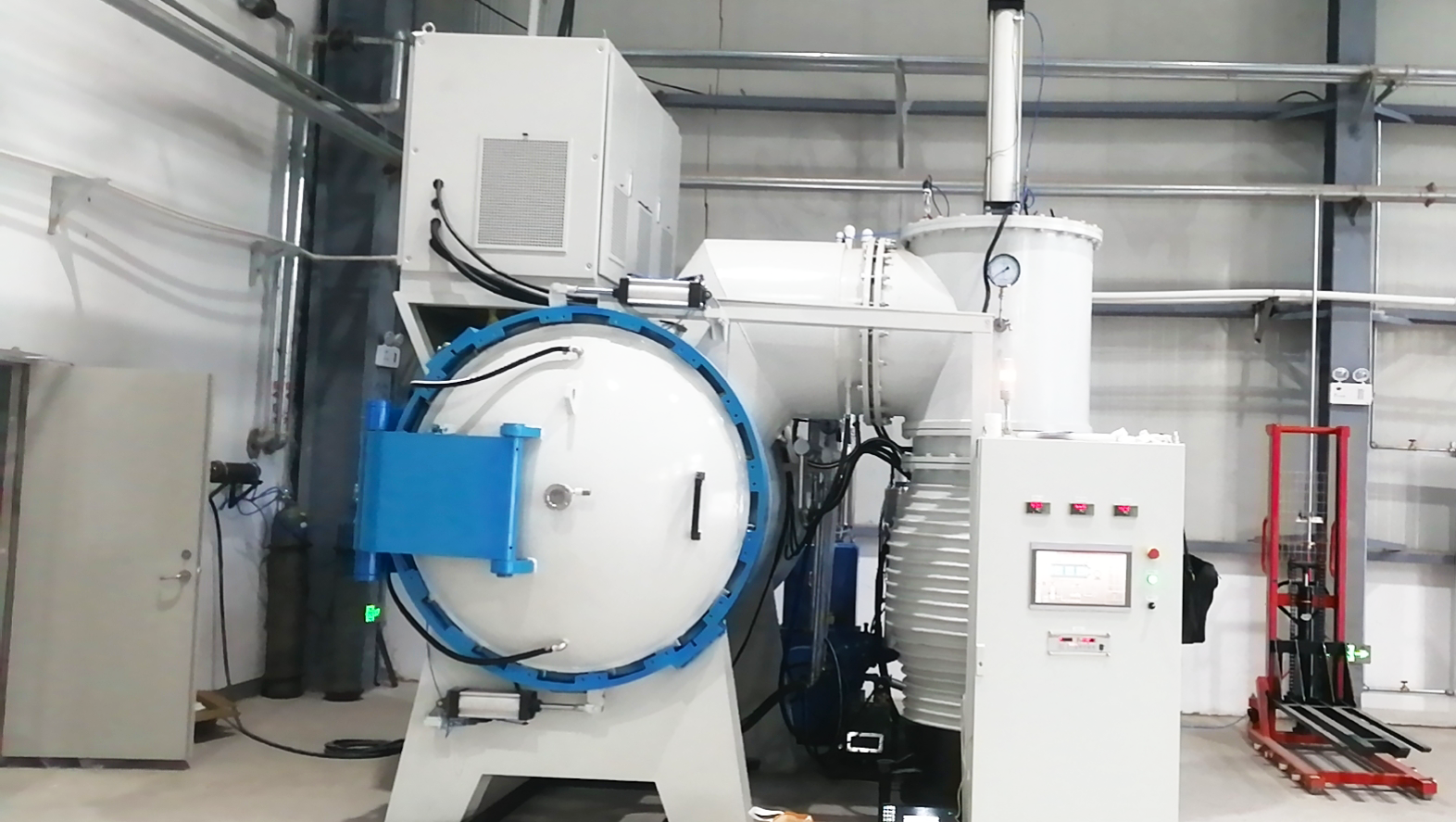
→Tunnel furnace welding equipment: efficient and automated welding solutions
2024-05-28
Tunnel furnace welding equipment is an indispensable important equipment in modern industrial production. With its high efficiency and automation, it provides a high-quality solution for the welding of various metal products. This article will detail the working principle of tunnel furnace welding equipment, characteristics and its application in modern industrial production. Working principle of welding equipment for 1. tunnel furnace Tunnel furnace welding equipment is mainly composed of tunnel furnace body, welding system, control system and transmission system. During operation, the workpiece to be welded enters the tunnel furnace body through the conveyor system and moves along a predetermined track. Inside the furnace body, the welding system performs precise welding operations on the workpiece, and melts the joints of the workpiece through high temperature to achieve a firm connection. The control system is responsible for the precise monitoring and regulation of the entire welding process to ensure welding quality and efficiency. Characteristics of 2. tunnel furnace welding equipment High efficiency: the tunnel furnace welding equipment adopts automatic production mode, which can continuously carry out welding operation, which greatly improves the production efficiency. At the same time, the heating system inside the equipment can quickly and evenly heat the workpiece, shortening the welding cycle. High quality: The welding system adopts advanced welding technology and precise welding parameters to ensure the quality and aesthetics of the weld. In addition, the equipment is also equipped with a quality inspection system, which can find and deal with problems in the welding process in time to ensure product quality. Flexibility: The tunnel furnace welding equipment is suitable for welding metal products of various shapes and specifications, and has strong adaptability and flexibility. At the same time, the equipment can also be adjusted and optimized according to different welding needs to meet the individual needs of customers. Energy saving and environmental protection: The tunnel furnace welding equipment adopts advanced energy-saving technologies, such as waste heat recovery, intelligent temperature control, etc., to reduce energy consumption. At the same time, the waste gas, waste residue and other pollutants generated by the equipment during the welding process are also effectively controlled, which meets the requirements of environmental protection. Application of 3. Tunnel Furnace Welding Equipment Tunnel furnace welding equipment is widely used in the manufacturing of metal products, such as steel pipe, steel plate, steel structure and other products. In the automobile, ship, construction and other industries, tunnel furnace welding equipment also plays an important role. These industries have high requirements for welding quality and efficiency, and tunnel furnace welding equipment is the ideal choice to meet these requirements. 4. summary and prospect Tunnel furnace welding equipment has brought great convenience to modern industrial production with its high efficiency and automation. With the continuous development of science and technology, tunnel furnace welding equipment will continue to carry out technical upgrading and innovation, to provide more high-quality and efficient solutions for the welding of metal products. In the future, we expect tunnel furnace welding equipment to show its excellent performance in more fields and contribute to the progress of industrial production.
05-26
→Flame brazing equipment: efficient and reliable metal joining solutions
2024-05-26
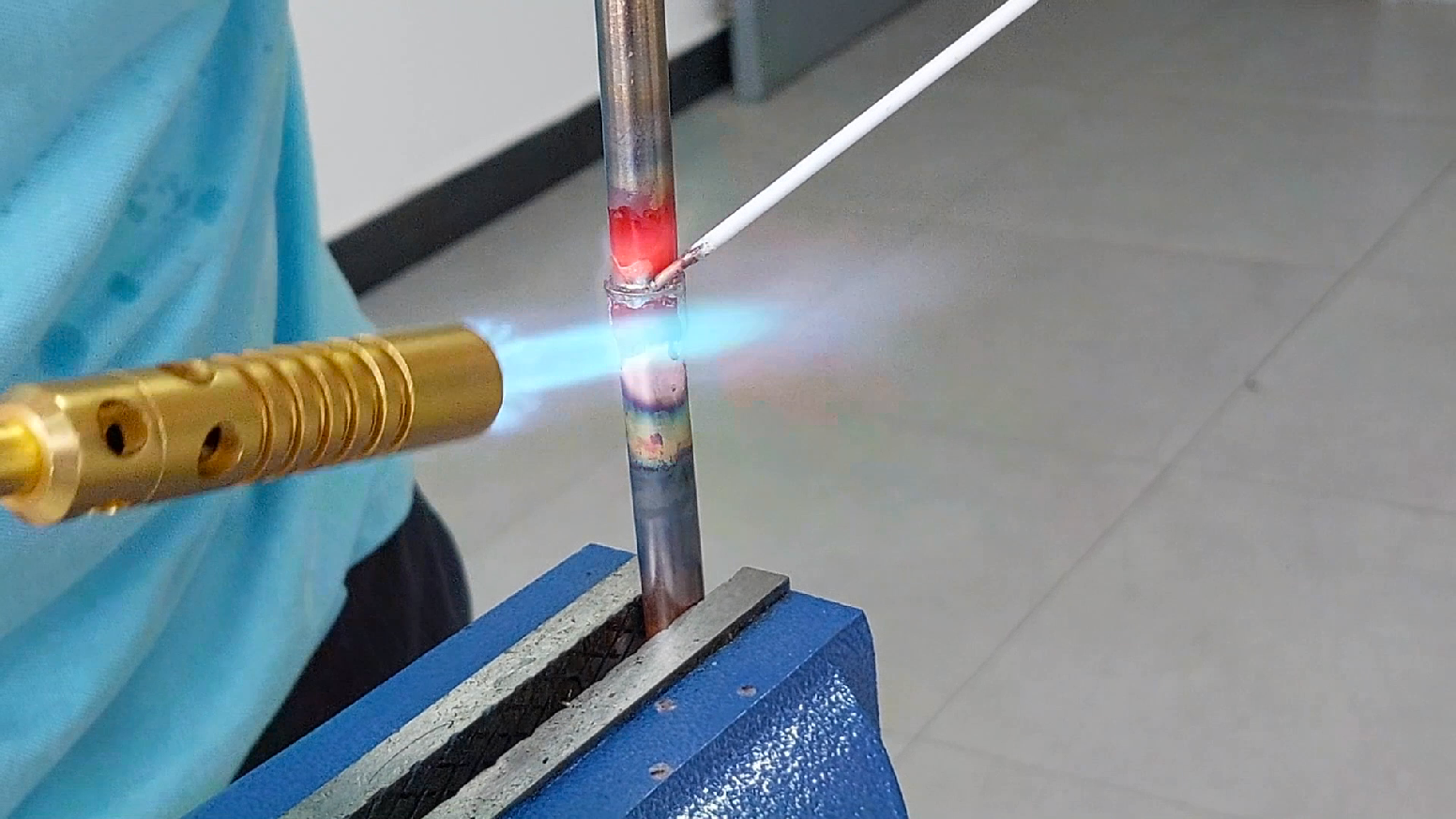
Flame brazing equipment is a kind of equipment widely used in the field of metal connection, which is highly respected for its high efficiency and reliability. The equipment heats the solder and the base metal through the flame to make it reach the molten state, so as to realize the connection of the metal parts. This article will introduce the working principle, application field and advantages of flame brazing equipment in detail. Working principle of 1. flame brazing equipment Flame brazing equipment is mainly composed of gas system, control system and welding gun. The gas system provides combustible gas and oxygen, and the gas ratio and flame size are adjusted by the control system. The welding gun is to spray the flame on the solder and the base metal, so that it is heated to a molten state, so as to achieve the connection. In the process of flame brazing, the equipment first preheats the brazing filler metal and the base metal to remove the oil and oxide on the surface. Next, the welding gun sprays a high-temperature flame to rapidly heat and melt the brazing filler metal and the base metal. In the molten state, the solder will penetrate into the gap of the base metal, forming a strong connection. Finally, the equipment through slow cooling, so that the weld gradually solidified, so as to complete the entire welding process. Application fields of 2. flame brazing equipment Flame brazing equipment is widely used in many fields. In the manufacturing industry, it is often used to connect various metal parts, such as steel pipes, steel plates, etc. In addition, flame brazing equipment also plays an important role in high-precision fields such as aerospace, shipbuilding, and automobile manufacturing. These areas require extremely high welding quality and accuracy, and flame brazing equipment can meet these stringent requirements. Advantages of 3. flame brazing equipment High efficiency: The flame brazing equipment has an efficient heating rate, which can quickly heat the brazing material and the base metal to the molten state, thereby improving production efficiency. Reliability: The equipment can realize high-quality metal connection, high weld strength, good sealing, and ensure the stability and safety of the product. Flexibility: The flame brazing equipment is suitable for metal materials of different materials and thicknesses, and has strong adaptability. At the same time, the equipment is simple to operate and convenient for workers to master. Environmental protection: Compared with traditional welding methods, flame brazing produces less exhaust gas and has less impact on the environment. 4. summary and prospect As an efficient and reliable metal joining solution, flame brazing equipment plays an important role in manufacturing and high-precision fields. With the continuous development of science and technology, flame brazing equipment will be further optimized and improved to bring more efficient and environmentally friendly welding technology to industrial production. In the future, we expect flame brazing equipment to show its excellent performance in more fields and contribute to the development of modern industry.

Telephone:+86-18594983359
E-mail:Firmkim@cn-huaguang.com
Zip Code: 311112
Address: No. 82, Qihang Road, Renhe Street, Yuhang District, Hangzhou City, Zhejiang Province

Douyin QR code

We chat number

WeChat public account